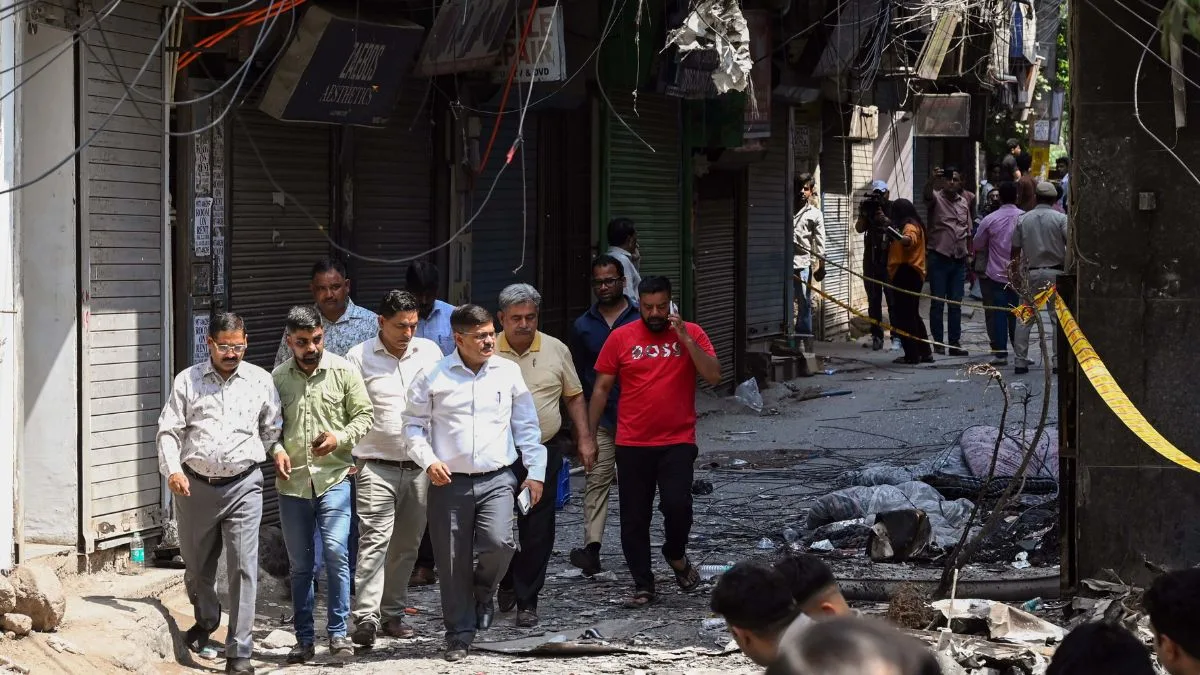
Bangladesh measles outbreak: Death toll crosses 600 as 7 children die in 24 hours
After the latest fatalities, the cumulative number of suspected and confirmed measles-related deaths in the South Asian country has reached 601 since March 15.
The slogans on Dhaka’s walls are not just the aftershocks of a student uprising; they are signposts of a deeper political realignment.




Iran war: West Asia energy crisis forces Bangladesh to shut down varsities to save power. (Photo: IANS)
The slogans on Dhaka’s walls are not just the aftershocks of a student uprising; they are signposts of a deeper political realignment. A generation that forced open Bangladesh’s closed political system is now turning its gaze outward and much of its anger is directed across the western border. This is not a sudden emotional spasm. It is the cumulative result of years in which many young Bangladeshis came to associate their own democratic suffocation with the preferences of a powerful neighbour. For over a decade, stability was the organising principle of India’s Bangladesh policy.
It was a defensible instinct: security cooperation deepened, connectivity expanded, and trade flows grew. But stability, when pursued through the uncritical backing of one political force, carries a moral and strategic cost. In Bangladesh’s case, that cost is now being paid in public sentiment. For students who came of age amid disputed elections, shrinking civic space, and violent crackdowns, the memory that lingers is not of bilateral achievements but of an external patron who appeared more comfortable with predictability than with pluralism. The flight of a deposed leader to Indian soil after bloodshed at home has hardened this perception into something more personal and more symbolic.
Advertisement
It has fused older grievances – over border deaths, water sharing, trade barriers, and rhetorical excesses – into a single narrative of hierarchy and disregard. In that narrative, India is no longer just a difficult neighbour; it is seen as an enabler of an unjust order. What is striking, however, is what this anger is not. It is not a civilisational rejection, nor a cultural one. Many of the most vocal critics draw a clear line between the Indian state and Indian people, between policy and society. Family ties, language, and everyday cross-border familiarity still exert their quiet pull. The rupture is political, not social – and that distinction keeps the door to repair open. For India, the warning is generational.
Advertisement
Diplomatic ties can be mended by new governments and new understandings, but generational attitudes, once set, tend to endure. A cohort that has just tasted political agency is unlikely to forget who it believes stood on the wrong side of its struggle. If Delhi’s image among these young citizens hardens into that of a patronising or intrusive power, the consequences will outlast any single electoral cycle in Dhaka. A reset, therefore, cannot be tactical or cosmetic. It requires abandoning the habit of managing Bangladesh primarily through preferred intermediaries and accepting the messier reality of a plural, post-uprising polity.
It also demands a more careful calibration of rhetoric at home, where casual contempt travels faster and deeper than official clarifications. The paradox is that geography ensures India and Bangladesh cannot drift apart, but politics will determine whether they remain partners or uneasy cohabitants. Respect, reciprocity, and a visible distance from one-party intimacy are no longer idealistic slogans; they are strategic necessities. The anger of Bangladesh’s youth is a warning ~ but also an invitation to build a more equal, if more demanding, relationship
Advertisement